
STUDIES ON THE BOOKS OF THE OLD TESTAMENT
001 Studies on the Book of Genesis
002 Studies on the Book of Exodus
004 Studies on Numbers (forthcoming)
005 Studies on Deuteronomy (forthcoming)
006 Studies on Joshua (forthcoming)
007 Studies on the Book of Judges
008 Studies on the Book of Ruth
009 Studies on 1 Samuel (forthcoming)
010 Studies on 2 Samuel (forthcoming)
011 Studies on 1 Kings (forthcoming)
012 Studies on 2 Kings (forthcoming)
013 Studies on 1 Chronicles (forthcoming)
014 Studies on 2 Chronicles (forthcoming)
015 Studies on the Book of Ezra
016 Studies on the Book of Nehemiah
017 Studies on the Book of Esther
0018 Studies on the Book of Job
019 Studies on the Book of Psalms
020 Studies on Proverbs (forthcoming)
021 Studies on the Book of Ecclesiastes
022 Studies on Song of Songs (forthcoming)
023 Studies on the Book of Isaiah
024 Studies on the Book of Jeremiah
025 Studies on the Book of Lamentations
027 Studies on Daniel (forthcoming)
028 Studies on the Book of Hosea
029 Studies on the Book of Joel
030 Studies on the Book of Amos
031 Studies on the Book of Obadiah
032 Studies on Jonah (forthcoming)
033 Studies on the Book of Micah
034 Studies on Nahum (forthcoming)
035 Studies on the Book of Habakkuk
036 Studies on the Book of the Prophet Zephaniah
037 Studies on the Book of Haggai
038 Studies on Zechariah (forthcoming)
039 Studies on the Book of Malachi
STUDIES ON SPECIAL TOPICS
1. Preaching on Messianic Prophecies
4. Studies on David and Goliath
6. Studies on God and the Problem of Natural Evil
7. Studies on God as the Defender of the Oppressed
9. Studies on Hezekiah, King of Judah
10. Studies on Hosea
11. Studies on Immanuel Velikovsky’s “Worlds in Collision”
12. Studies on Isaiah 7:14 and the Sign of Immanuel
13. Studies on Jeremiah and the False Prophet Hananiah
14. Studies on Left-handedness in the Hebrew Bible
15. Studies on Micah the Prophet
16. Studies on Moses
17. Studies on Old Testament Mothers
18. Studies on Saul, King of Israel
19. Studies on Suicide in the Bible
20. Studies on the Death of Bathsheba’s Child
21. Studies on the Deuteronomic Concern for Women
22. Studies on the God of the Old Testament
23. Studies on the God Who Loses
24. Studies on the Long Day of Joshua
25. Studies on the Name of God
26. Studies on the Mutilation of Women in the Hebrew Bible
27. Studies on the Religious Reforms of Josiah
28. Studies on the Repentance of God
29. Studies on the Women Prophets in the Old Testament
30. Studies on Transvestism in Ancient Israel
31. Studies on the Sacrifice of Jephthah’s Daughter
32. Introducing the Old Testament
34. Studies on the Book of Psalms
35. All the Women of the Old Testament
36. Studies on Women’s Issues and Concerns in the Old Testament
37. Studies on the Book of Nehemiah
38. Studies on the Woman in Ecclesiastes 7:28
40. Studies on Gregory Boyd and the Crucifixion of the Warrior God
41. Studies on the Character of God – Exodus 34:6-7
42. Book Review: The God of the Old Testament
43. The Economic System of the Hill Country of Israel in Iron Age I
44. The Sermons of Jeff Griffin
45. Studies on Noah and Noah’s Ark
46. Studies on Standing Stones in the Old Testament
47. Studies on the Life of Joseph
48. The Old Testament Goes Hollywood
49. David: The Making of A King
50. Studies on the Book of Job
51. Shattered: Finding Hope in the Book of Job
52. Studies on Translation Problems in the Old Testament
53. Studies on Archaeological Discoveries and the Bible
54. Studies on the Golden Calf
55. Studies on Egypt, The Land of the Pharaohs
56. Solomon and the Problem of Social Oppression
57. Studies on Pastors and Their Libraries
58. Studies on the Great-Grandmothers of Jesus
60. Studies on Solomon, King of Israel
62. Studies on Bathsheba, The Wife of Uriah
63. Studies on Syncretism in the Old Testament
64. Studies on the Rape of Tamar, David’s Daughter
65. Studies on the life of David, King of Israel
66. Differences Between College and Seminary Textbooks
67. Studies on the Exile of Judah
68. Studies on the Social Concern of the Book of Deuteronomy
69. Studies on the Death of Ezekiel’s Wife
Claude Mariottini
Emeritus Professor of Old Testament
Northern Baptist Seminary
If you enjoyed reading my posts, you will enjoy reading my books.
VISIT MY AMAZON AUTHOR’S PAGE
BUY MY BOOKS ON AMAZON (Click here).





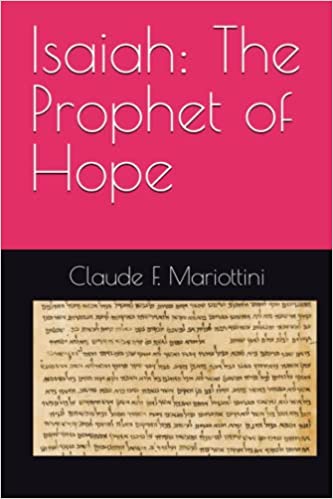






 Dr. Claude Mariottini - Professor of Old Testament
This is really awesome. Be blessed alot !!!
LikeLike
Elvis,
Thank you very much for visiting my blog.
Claude Mariottini
LikeLike
Hello 👋
On Fri, Jun 10, 2022, 3:38 PM Dr. Claude Mariottini – Professor of Old Testament comment-reply@wordpress.com wrote:
LikeLike
Thank you
LikeLike
Pingback: Jesus, The Messiah by Claude F. Mariottini | Crossmap Blogs
Pingback: The Messiah, The Anointed One by Claude F. Mariottini | Crossmap Blogs
Pingback: The Messianic Hope of the Old Testament by Claude F. Mariottini | Crossmap Blogs
Pingback: Preaching on Messianic Oracles by Claude F. Mariottini | Crossmap Blogs
Pingback: The Messianic Hope by Claude F. Mariottini | Crossmap Blogs
Pingback: Praying the Psalms by Claude F. Mariottini | Crossmap Blogs
Pingback: Ten Books Pastors Should Read: New Testament by Claude F. Mariottini | Crossmap Blogs
Pingback: Translating the Bible: The Problem of Ambiguity in the Text by Claude F. Mariottini | Crossmap Blogs
Pingback: The Book of Ezra by Claude F. Mariottini | Crossmap Blogs
Pingback: Pastors and Their Books by Claude F. Mariottini | Crossmap Blogs
Pingback: The God Who Satisfies by Claude F. Mariottini | Crossmap Blogs
Pingback: Malachi: A Prophet for His Time by Claude F. Mariottini | Crossmap Blogs
Pingback: Living Among Scorpions by Claude F. Mariottini | Crossmap Blogs
Pingback: Can Archaeology Prove the Bible? by Claude F. Mariottini | Crossmap Blogs
Pingback: Junia, the Apostle by Claude F. Mariottini | Crossmap Blogs
Pingback: The Use of Condoms in Ancient Egypt by Claude F. Mariottini | Crossmap Blogs
Pingback: Job and the Problem of Suffering by Claude F. Mariottini | Crossmap Blogs
Pingback: The Book of Remembrance by Claude F. Mariottini | Crossmap Blogs
Pingback: The Death of Sarah by Claude F. Mariottini | Crossmap Blogs
Pingback: Professor Norman Gottwald by Claude F. Mariottini | Crossmap Blogs
Pingback: Sherlock Holmes and the Old Testament by Claude F. Mariottini | Crossmap Blogs
Pingback: The Long Day of Joshua – Part 1 by Claude F. Mariottini | Crossmap Blogs
I will like to receive studies on old Testament books
LikeLike
Ogbonna,
If you visit the archive section of the blog, you will find articles dealing with almost every book of the Old Testament.
Let me know if this is helpful to you.
Claude Mariottini
LikeLike
Pingback: The Death of Ezekiel’s Wife – Prophetic Acts by Claude F. Mariottini | Crossmap Blogs
Pingback: Job and the Problem of Suffering – A Review by Claude F. Mariottini | Crossmap Blogs
Pingback: Publication Day by Claude F. Mariottini | Crossmap Blogs
Pingback: The Vengeance of Yahweh by Claude F. Mariottini | Crossmap Blogs
Pingback: Jeremiah and Pashhur by Claude F. Mariottini | Crossmap Blogs
Pingback: The Old Testament and Jesus Christ by Claude F. Mariottini | Crossmap Blogs
Pingback: Is God Violent? by Claude F. Mariottini | Crossmap Blogs
Pingback: The Savage God by Claude F. Mariottini | Crossmap Blogs
Pingback: The Coming of the Messiah: Hope for the Future by Claude F. Mariottini | Crossmap Blogs